When most people think of mosquitoes, they picture the familiar sting of a bite and the drop of blood left behind. Yet, for much of their lives—and always for males—mosquitoes seek sweetness, not blood. Their slender mouthparts pierce flowers instead of skin, drawing nectar that fuels flight, survival, and reproduction.
Mosquitoes and Their Sweet Tooth
Though mosquitoes are infamous for transmitting diseases like malaria, dengue, and Zika, nectar—not blood—is their main energy source. Both male and female mosquitoes rely on plant sugars for daily activities.
But do these insects show preferences for certain flowers? And could those preferences affect how we control them using sugar-based traps?
A Search for Clues in the Literature
That’s the question driving Eva Herreros-Moya, a Ph.D. student at the University of Oxford, whose recent review in Environmental Entomology examines mosquito nectar preferences.
Collaborating with researchers from the Innovative Vector Control Consortium (IVCC) and the University of Cambridge, Herreros-Moya explored how floral diversity influences the success of sugar-based mosquito control methods.
From Africa to Oxford
Herreros-Moya first encountered the question while managing fieldwork in Africa, where her team deployed Attractive Targeted Sugar Baits (ATSBs)—devices that lure mosquitoes with sugar and deliver a dose of insecticide. The baits worked well in some locations but failed in others.
“We started wondering if the local vegetation was competing with the baits,” she explains. “Maybe mosquitoes simply preferred the flowers around them.”
When Landscape Meets Mosquito Control
If landscapes are rich in the flowers mosquitoes like best, baits might lose their appeal. Conversely, in drier areas with fewer nectar sources, sugar baits could be more effective. Understanding these dynamics could make vector control more efficient—especially as changing climates and urbanization alter plant communities worldwide.
Digging Into Decades of Research
To investigate, Herreros-Moya and her team conducted a systematic review of global studies on mosquito-plant interactions. After sifting through hundreds of papers, they identified 49 studies covering 74 mosquito species across 12 genera and their relationships with 145 plant species. The findings confirmed it—mosquitoes do have nectar preferences.
Different Mosquitoes, Different Flowers
Among the mosquitoes studied, Aedes, Anopheles, and Culex species showed distinct floral tastes. Aedes mosquitoes preferred daisies (Asteraceae), roses (Rosaceae), and legumes (Fabaceae), particularly in African habitats.
Anopheles mosquitoes favored daisies, legumes, and euphorbias (Euphorbiaceae), while Culex mosquitoes gravitated toward daisy family plants.
Regional Differences in Floral Taste
Interestingly, preferences varied across continents. Aedes mosquitoes in North America preferred daisies and roses, while their African counterparts leaned toward legumes. Anopheles mosquitoes in Africa fed heavily on legumes, while those elsewhere turned to daisies.
These regional patterns suggest that floral availability and ecosystem diversity directly shape mosquito feeding behavior.
What About Disease-Transmitting Mosquitoes?
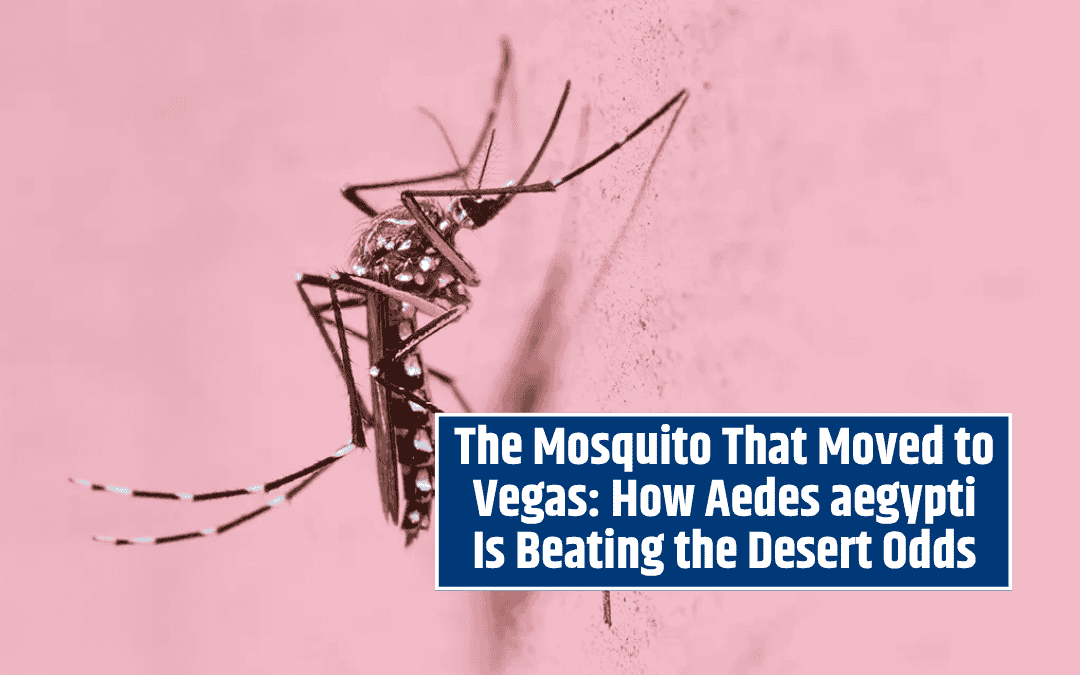
Herreros-Moya’s review also focused on mosquito species known for spreading human disease. Aedes aegypti, the yellow fever mosquito, was found to feed on 17 plant species, particularly legumes and impatiens.
Aedes albopictus, the invasive Asian tiger mosquito, fed on just three. Meanwhile, Culex pipiens, a vector of West Nile virus and other pathogens, strongly preferred daisies.
The Malaria Connection
The notorious Anopheles gambiae, Africa’s main malaria vector, fed on 17 plant species, most of them legumes. Surprisingly, many of its favorite nectar sources were invasive plants, such as castor bean (Ricinus communis), Santa Maria feverfew (Parthenium hysterophorus), common lantana (Lantana camara), and yellow trumpetbush (Tecoma stans). As these plants expand their ranges, so too might the mosquitoes that depend on them.
Gaps in the Data
Despite decades of research, gaps remain. “There are no records for Anopheles stephensi or Anopheles funestus, both important malaria vectors,” Herreros-Moya notes. The literature leans heavily on lab-based studies rather than fieldwork.
As a result, scientists still know relatively little about which plants mosquitoes prefer under natural conditions.
Mapping the Sugar Landscape
To fill these gaps, Herreros-Moya plans to survey vegetation in mosquito habitats, mapping nectar availability across landscapes. “I want to know whether areas with more sugar resources have more or fewer mosquitoes,” she says.
This information could help determine where ATSBs work best—and where they may need adjustment or alternative strategies.
Sweet Insights for Vector Control
Understanding mosquito nectar preferences is more than academic curiosity. It may hold the key to improving environmentally friendly control tools like ATSBs.
As climate change and globalization reshape ecosystems, knowing how mosquitoes interact with local plants can help scientists predict—and prevent—future disease risks.
A Sugary Future for Science
By studying something as seemingly simple as a mosquito’s flower choice, researchers like Herreros-Moya are uncovering critical links between ecology, behavior, and public health.
The next time you see a mosquito hovering near a blossom, remember: its sweet preferences may one day help humanity design smarter, greener ways to fight disease.
FAQs
Do mosquitoes feed only on blood?
No. While female mosquitoes need blood to produce eggs, both males and females primarily feed on nectar from flowers for energy. Nectar provides the sugars mosquitoes need for flight, survival, and daily activity.
Do mosquitoes have nectar preferences?
Yes. Research shows that mosquitoes prefer certain flowers and plant families. For example, Aedes species often favor daisies, roses, and legumes, while Anopheles and Culex mosquitoes also prefer plants from the daisy family (Asteraceae) and legumes (Fabaceae). These preferences can vary depending on geography and available vegetation.
How do nectar preferences affect mosquito control?
Knowing which plants mosquitoes prefer helps improve the effectiveness of sugar-based mosquito control tools, such as Attractive Targeted Sugar Baits (ATSBs). If preferred flowers are abundant in the landscape, mosquitoes may ignore baits. In areas with fewer nectar sources, baits tend to be more effective.
What are Attractive Targeted Sugar Baits (ATSBs)?
ATSBs are mosquito control devices that use sugar to attract mosquitoes and an insecticide to kill them after feeding. They mimic natural nectar sources and can help reduce mosquito populations when deployed strategically, especially in areas with limited competing floral resources.
Why is understanding mosquito-plant interactions important?
Studying which plants mosquitoes feed on helps scientists predict how changes in vegetation—driven by climate or land use—might affect mosquito behavior and disease spread. This knowledge can also guide where to place ATSBs and how to design more effective, environmentally friendly mosquito control methods.