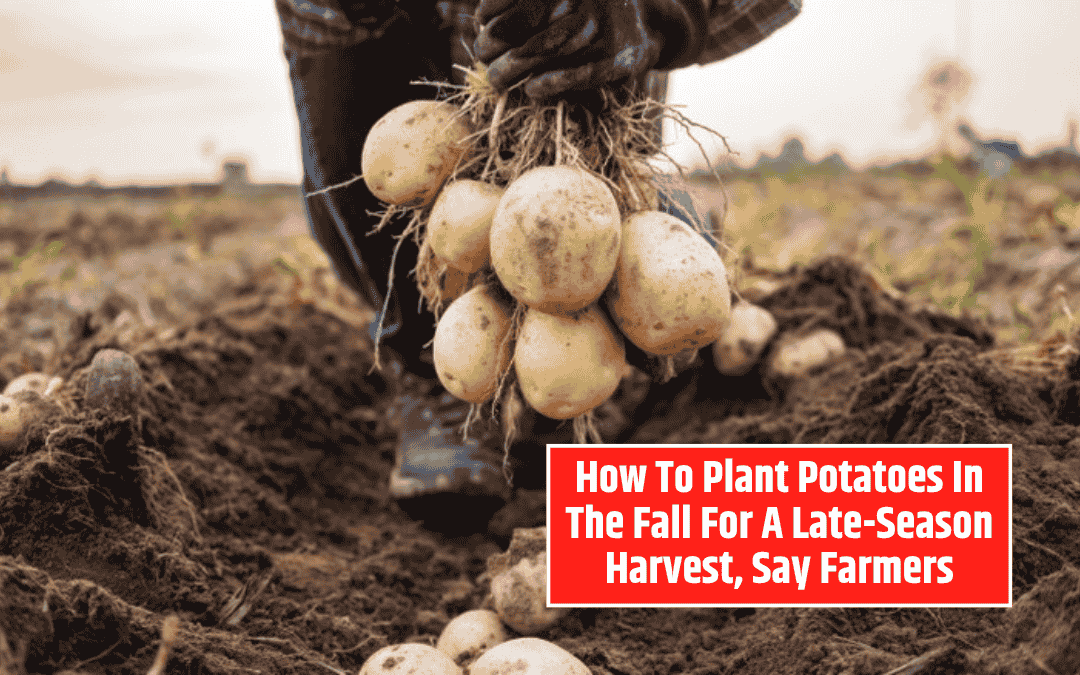
Most people picture spring when they think of planting potatoes. But across the U.S., from Idaho’s open fields to home gardens in Portland, Oregon, growers are rediscovering the benefits of fall planting.
This old but effective technique takes advantage of cooler weather to produce hearty, flavorful potatoes long after summer has ended.
According to the USDA, America produces over 20 million tons of potatoes each year, with Idaho, Washington, and Wisconsin leading the way.
Now, smaller growers and backyard gardeners are extending their seasons with fall planting — creating a second harvest that’s flavorful, sustainable, and perfectly timed for cooler months.
Why Fall Planting Works So Well
Potatoes thrive in cool soil, making autumn an ideal time to plant. While many vegetables struggle as temperatures drop, potatoes prefer soil between 45°F and 70°F — a range commonly found in the fall months.
Regions like the Pacific Northwest, northern California, and the Appalachian foothills offer the perfect climate for this cool-weather crop.
Farmers in states such as Maine and Colorado say fall-grown potatoes develop deeper flavors and firmer textures. The gradual cooling process helps tubers mature slowly and evenly, while shorter days and chilly nights reduce common summer problems like blight, pests, and heat stress.
Picking the Right Potato Variety
Not every potato is suited for fall planting. The key is to choose early or mid-season varieties that can mature before winter sets in. Reliable early types include ‘Yukon Gold,’ ‘Red Norland,’ and ‘Irish Cobbler’, all ready for harvest within 70–90 days.
In warmer regions like Georgia or Texas, gardeners can try mid-season varieties such as ‘Kennebec’ or ‘Russet Norkotah,’ as long as they’re planted well before the first frost.
Coastal areas like San Francisco and Charleston can even plant into early October, while cooler states like Montana or Minnesota should aim for late August.
Preparing Soil for a Strong Start
Healthy soil makes all the difference in fall potato planting. Potatoes love loose, slightly acidic soil with a pH between 5.0 and 6.0. Before planting, till the soil 8–10 inches deep and mix in compost or well-rotted manure for nutrients.
In wetter regions, raised beds or ridged rows prevent waterlogging — a major risk in the cooler, wetter months. Many growers also plant cover crops like clover or rye afterward to improve soil health and add nitrogen for next season’s planting.
Planting and Timing Tips
Timing determines your success. The general rule: plant potatoes 10–12 weeks before the first expected frost. Farmers in Colorado often plant in late August, while Tennessee gardeners wait until early September.
Cut seed potatoes into pieces with one or two “eyes,” let them dry for a day, then plant about four inches deep and one foot apart.
Add mulch — straw, hay, or shredded leaves — to insulate the soil and maintain consistent moisture. This protective layer also prevents early frost from damaging tender shoots while helping the soil stay loose and breathable.
Caring for and Harvesting Fall Potatoes
As temperatures cool, add extra mulch or use lightweight row covers for frost protection. Water consistently, about one inch per week, until the foliage yellows and dies back — a sign the tubers are ready.
In southern states, such as Louisiana or Florida, gardeners can enjoy fresh potatoes by Thanksgiving. In northern climates, the tubers can be left in the ground under heavy mulch for natural cold storage through early winter.
A Smart, Sustainable Way to Extend the Season
Fall planting isn’t just a clever gardening trick — it’s a sustainable method that maximizes your land’s potential and provides food well into the colder months. From a backyard patch in Chicago to a community garden in Asheville, fall-planted potatoes can bring a burst of green life to the autumn landscape.
When other plants fade, your potato crop can thrive — proof that sometimes, the best growing season begins just as the leaves start to fall.
FAQs
When should you plant potatoes in the fall?
Fall potatoes should be planted about 10 to 12 weeks before your region’s first expected frost date. In most areas, that means late August through early October. This gives the tubers enough time to develop before the ground freezes, ensuring a firm, flavorful harvest.
What potato varieties grow best in the fall?
Early-maturing varieties such as ‘Yukon Gold,’ ‘Red Norland,’ and ‘Irish Cobbler’ are excellent choices for fall planting. In warmer climates, gardeners can also grow mid-season types like ‘Kennebec’ or ‘Russet Norkotah,’ which handle longer growing periods and moderate temperatures well.
Why plant potatoes in the fall instead of spring?
Fall planting takes advantage of cooler soil temperatures, reduced pest pressure, and lower risk of disease. The cool, moist conditions of autumn help tubers develop a firmer texture and richer flavor compared to spring crops that mature in summer heat.
How do you protect fall potatoes from frost?
As temperatures drop, add extra mulch such as straw or shredded leaves to insulate the soil. In colder areas, use row covers or frost blankets to protect foliage from light frost. Potatoes can also be left in the ground under heavy mulch for natural cold storage.
What type of soil is best for fall potatoes?
Potatoes thrive in loose, well-draining soil with a slightly acidic pH between 5.0 and 6.0. Enrich the soil with compost or aged manure before planting. Raised beds or ridged rows work best in wetter climates to prevent waterlogging during cool, rainy months.
Can you harvest fall potatoes in winter?
Yes. In warmer southern states, fall potatoes are often ready for harvest by Thanksgiving. In colder regions, gardeners can leave tubers in the ground under thick mulch through early winter. The soil acts as natural storage, keeping potatoes fresh until needed.