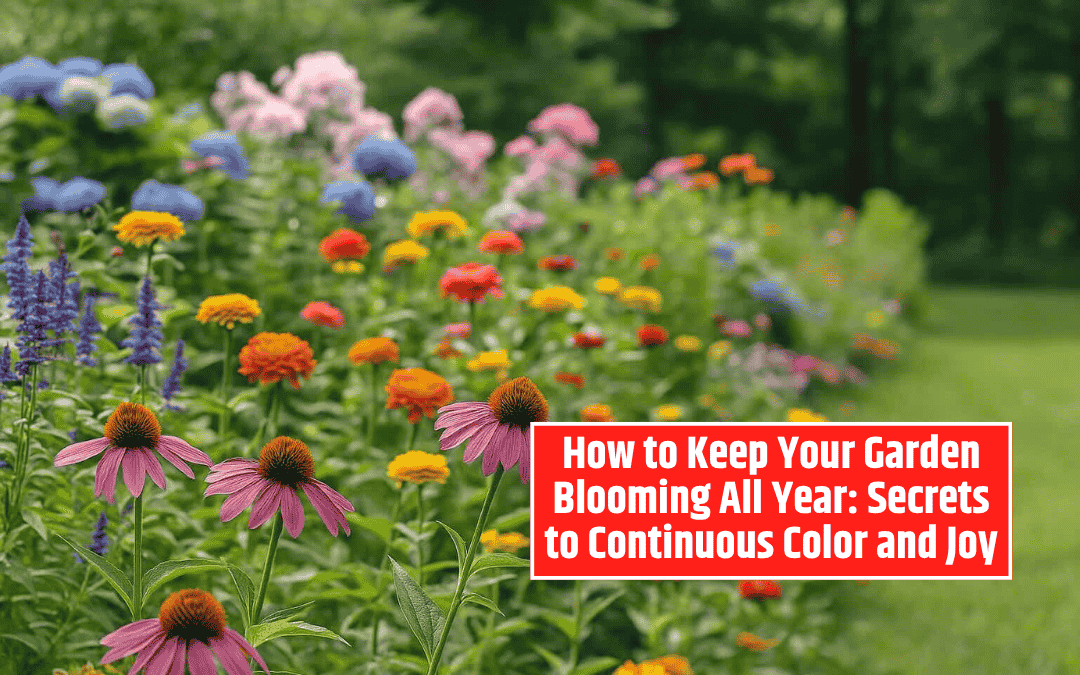
A thriving garden is more than beauty—it’s a source of peace, pride, and purpose. Yet, many gardeners find their flowers fading too soon. The secret lies in timing, soil health, and mindful care. With the right mix of plants, nutrients, and rhythm, your garden can stay alive with color from early spring to late fall.
Understanding the Bloom Cycle
Every flower has its moment to shine. Early bloomers like tulips and daffodils announce spring, while roses, lilies, and dahlias dominate in summer.
Come fall, chrysanthemums and asters take the spotlight. Blending early, mid, and late bloomers ensures constant color—like a symphony where each plant plays its note in perfect harmony.
Soil: The Heart of Every Bloom
Beneath every vibrant blossom lies healthy soil. Plants need rich, well-balanced earth full of organic matter. Compost, bone meal, and seaweed extract can fortify the soil, while proper drainage prevents root rot.
Loosen heavy clay with sand or perlite, and mulch regularly to retain moisture. Strong roots lead to stronger, longer-lasting blooms.
The Moon’s Role in Gardening
Many gardeners swear by lunar cycles. During the waxing moon, when light increases, plant flowers that grow above ground for lush foliage and rich blossoms. The waning moon, when light fades, is ideal for pruning and nurturing roots.
While science is still studying the effects, following moon phases adds intention and rhythm to your gardening practice.
Watering Wisely for Vibrant Growth
Water can make or break a garden. Too much drowns the roots; too little causes wilting. Morning watering is best—it fuels photosynthesis and prevents fungal issues. Deep, infrequent watering encourages roots to grow strong. Group plants with similar water needs together—lavender loves it dry, but hydrangeas crave consistent moisture.
Sunlight and Smart Placement
Sunlight is essential, but every plant has its preference. Most flowers need six or more hours of sun, while shade-loving varieties like begonias, foxgloves, and impatiens prefer softer light.
Observe your garden’s microclimates—where morning light falls, where shadows linger—and plant accordingly. The right placement ensures every bloom gets exactly what it needs.
Pruning and Deadheading for More Blooms
Deadheading—snipping off spent flowers—encourages plants to produce more buds instead of seeds. Roses, marigolds, and zinnias especially reward this simple act with repeat blooms.
Pruning also shapes growth and prevents overcrowding. Remember: prune spring bloomers after they flower and summer bloomers in late winter or early spring for maximum effect.
Seasonal Care and Protection
Consistency keeps gardens alive year-round. Mulch to regulate soil temperature and moisture. Stake tall flowers against wind, and cover tender ones before frost.
Rotate plant positions annually to prevent soil fatigue and pests. Companion planting—like pairing marigolds with vegetables—adds natural pest control and boosts the health of your garden ecosystem.
The Emotional Power of Flowers
A blooming garden doesn’t just feed the senses—it heals the spirit. Studies show that time among flowers reduces stress and boosts mood. Morning walks surrounded by blossoms can energize your day; quiet evenings in your garden bring peace.
Gardening connects us with life’s cycles—reminding us that growth, patience, and renewal are ongoing gifts.
Your Garden’s Endless Story
A garden in bloom is never static—it’s a living story, unfolding season by season. With the right mix of plants, soil care, and attention to timing, you can enjoy waves of color from the first tulip to the last chrysanthemum. Each bloom reflects your care, transforming your space into a year-round sanctuary of beauty and balance.
FAQs
How can I keep my garden blooming all year?
To maintain a year-round blooming garden, combine early, mid, and late-season flowers. Tulips and daffodils bloom in spring, roses and dahlias thrive in summer, and chrysanthemums and asters bring color into fall. Consistent watering, nutrient-rich soil, and regular deadheading ensure continuous growth and vibrant blossoms.
What type of soil is best for flowers?
Healthy, well-draining soil enriched with compost or organic fertilizer supports strong blooms. Mix in bone meal or seaweed extract to boost root health and flower production. If your soil is heavy, add sand or perlite for better drainage. Mulching also helps retain moisture and regulate soil temperature.
Does the moon really affect plant growth?
Many gardeners follow lunar planting cycles. The waxing moon—when light increases—is ideal for planting flowers that grow above ground. The waning moon—when light decreases—is better for pruning and strengthening roots. While not scientifically proven, many believe it enhances growth and creates a natural gardening rhythm.
When is the best time to water my garden?
Water your garden early in the morning. This timing fuels photosynthesis, prevents fungal diseases, and allows leaves to dry before nightfall. Deep watering once or twice a week encourages stronger root systems, while grouping plants with similar water needs ensures balanced moisture levels across your garden.
How does sunlight affect flower blooms?
Most flowering plants need at least six hours of sunlight daily. However, some varieties like begonias, foxgloves, and impatiens prefer partial shade. Observe how sunlight moves across your garden and match plants to their preferred light levels to promote healthier growth and more consistent blooming.
Why is pruning and deadheading important for flowers?
Deadheading removes spent flowers, prompting plants to produce new blooms instead of seeds. Regular pruning shapes growth, prevents overcrowding, and improves air circulation. Spring bloomers should be pruned right after flowering, while summer bloomers benefit from pruning in late winter or early spring.