Chili peppers are a kitchen favorite for their heat, flavor, and versatility. But the real magic happens when you grow them yourself.
Fresh, organic, and full of nutrients, homegrown chilies are far superior to store-bought ones. With the right growing methods, even small gardens or containers can yield a super fruitful harvest.
Why You Should Grow Chilies at Home

Growing chili peppers at home offers freshness, flavor, and savings. You’ll enjoy spicier, more aromatic peppers packed with vitamins A and C, antioxidants, and capsaicin.
Home cultivation also ensures a steady supply of fresh produce, reduces grocery costs, and supports sustainable living by cutting down on packaging and transport waste.
Understanding Chili Growth
Chilies thrive in warm, sunny conditions. They need six to eight hours of sunlight daily, nutrient-rich, well-draining soil, and consistent moisture. The ideal temperature range is 70–85°F (21–29°C). Most chili varieties mature between 60–120 days after transplanting, depending on the type and growing environment.
Step 1: Choose the Right Variety
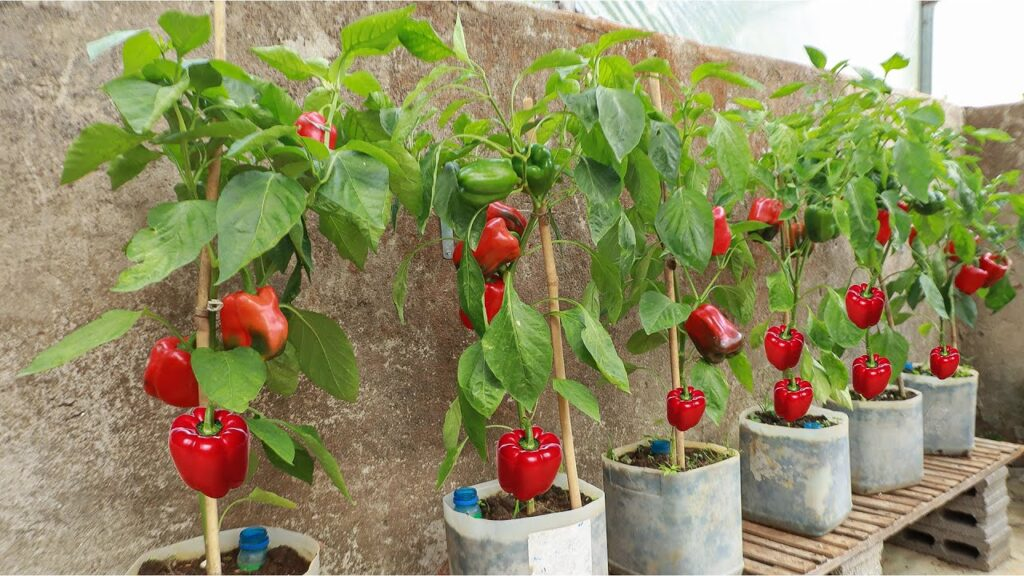
Your choice of variety determines yield and spice level. Cayenne, Thai, and Habanero deliver intense heat, while Bell and Sweet Peppers offer mild, flavorful options.
Compact or early-maturing varieties are best for containers or short growing seasons. Selecting the right type ensures healthy growth suited to your climate and space.
Step 2: Prepare the Perfect Soil
Healthy soil equals abundant fruit. Mix garden soil with compost or well-rotted manure for nutrients and aeration. Chilies prefer slightly acidic to neutral soil, with a pH between 6.0 and 7.0. To prevent waterlogging, add sand or perlite for improved drainage. Rich, loose soil helps roots grow deep and strong.
Step 3: Start Seeds or Transplants
Start seeds indoors 8–10 weeks before the last frost in warm, bright conditions. Transplant seedlings once they develop four to six true leaves and outdoor temperatures remain consistently warm. Space plants 18–24 inches apart to encourage airflow, prevent disease, and allow each plant enough room to flourish.
Step 4: Feed for Maximum Fruiting

Proper fertilization drives high yields. Begin with a balanced fertilizer during early growth. Once flowering starts, switch to one higher in phosphorus and potassium to boost fruit set. Organic options such as compost tea, worm castings, or seaweed extract enrich the soil naturally and support long-term plant health.
Step 5: Water and Mulch Wisely

Consistent watering is key to healthy chili plants. Water deeply two to three times per week, keeping the soil moist but never soggy. Apply mulch—such as straw or shredded leaves—to retain moisture, control weeds, and regulate temperature. Always water at the base to prevent leaf diseases from splashing soil.
Step 6: Support and Prune Plants
As chilies mature, heavy fruit can bend or break branches. Use stakes or tomato cages to support plants and tie stems loosely with twine. Prune away weak or crowded branches and lower leaves to improve airflow. Well-supported plants produce larger, healthier peppers and are less prone to breakage.
Step 7: Encourage Pollination

For the best yield, ensure effective pollination. Attract bees and butterflies by growing nearby flowers, or hand-pollinate by gently brushing pollen between flowers with a small brush. Proper pollination ensures more blossoms develop into fruit, dramatically improving your overall harvest.
Step 8: Harvest for Continuous Growth
Harvest chilies once they reach full color—green for mild heat or red for extra spice. Use garden shears to avoid damaging branches. Pick every three to five days to encourage continuous fruiting. Frequent harvesting signals the plant to produce more, extending your harvest season.
Tips for Super Fruitful Chili Plants
- Plant new seeds every few weeks for a continuous supply.
- Ensure full sunlight exposure for maximum fruiting.
- Watch for pests like aphids and whiteflies, and use organic control methods.
- Prune regularly to focus growth on fruit production.
- Grow in containers if space is limited for easier maintenance and mobility.
Enjoy the Rewards of Homegrown Chilies
With the right care and techniques, anyone can grow a thriving chili garden. You’ll enjoy fresh, spicy, and nutrient-rich peppers while saving money and living more sustainably. Whether you’re cooking, pickling, or drying them, homegrown chilies add unbeatable flavor and color to your kitchen year-round.
FAQs
What is the best temperature for growing chili peppers?
Chili peppers thrive in warm conditions, ideally between 70°F and 85°F (21°C–29°C). Temperatures below 60°F can slow growth, while extreme heat above 95°F may cause flowers to drop. Keeping a consistent, warm environment ensures healthy growth and high fruit yield.
How much sunlight do chili pepper plants need?
Chili peppers need at least 6–8 hours of direct sunlight each day. Full sun encourages strong growth, vibrant foliage, and abundant flowering. For indoor growers, placing plants near a sunny window or using grow lights can help achieve the same effect.
What type of soil is best for chili peppers?
Chilies prefer well-draining, fertile soil rich in organic matter. A mix of garden soil, compost, and sand or perlite works best. The soil pH should be slightly acidic to neutral, between 6.0 and 7.0, to support nutrient absorption and strong root development.
How often should I water chili pepper plants?
Water chili plants deeply two to three times per week, depending on temperature and rainfall. Keep the soil evenly moist but never waterlogged. Always water at the base of the plant to avoid wetting the leaves, which can lead to fungal diseases.
When should I fertilize chili pepper plants?
Apply a balanced fertilizer during early growth stages, then switch to a phosphorus- and potassium-rich fertilizer once flowering begins. Organic options like compost tea or worm castings can be used every few weeks to maintain long-term soil health.
How can I increase the yield of my chili plants?
Ensure your chili plants get full sun, consistent watering, and proper nutrition. Prune lower leaves, support stems with stakes, and encourage pollination by attracting bees or hand-pollinating. Regular harvesting also stimulates the plant to produce more fruit.
When is the right time to harvest chili peppers?
Harvest chilies when they reach their full size and desired color. Green chilies are usually less spicy, while red ones are hotter and sweeter. Use scissors or garden shears to cut the peppers every 3–5 days to encourage continuous production.
Can chili peppers be grown in containers?
Yes! Chili peppers grow very well in containers. Use pots at least 12–14 inches deep with good drainage holes. Container gardening allows better control of soil quality and moisture, making it ideal for balconies, patios, or small urban gardens.