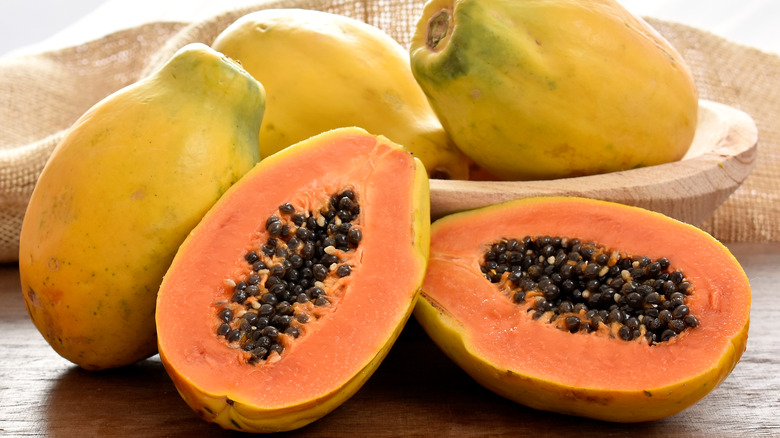
Papaya, the tropical fruit famous for its sweet flavor and digestive benefits, isn’t just for big farms or tropical backyards. With the right setup, you can grow papaya right at home—even on a balcony or patio. Container gardening makes this possible, offering a fun and rewarding way to enjoy fresh, organic fruit wherever you live.
Why Choose Container Gardening
Growing papaya in containers offers many advantages. It’s space-efficient, ideal for apartments or small gardens, and gives you mobility to move plants for sunlight or weather protection. Containers also help maintain soil quality, reduce pest issues, and simplify watering and fertilization. With these benefits, urban gardeners can easily grow healthy, fruit-bearing papaya plants year-round.
Selecting the Right Seeds

Successful papaya cultivation starts with good seeds. You can use seeds from ripe fruits or purchase certified ones from garden stores. Choose dwarf or compact varieties suited for pots—they’re easier to manage and produce fruit sooner. Always wash, dry, and, if possible, pre-soak seeds before planting. Fresh seeds germinate faster and grow into more vigorous plants.
Preparing Containers and Soil

Papaya develops a deep taproot, so choose a large container at least 18 inches deep and 15–20 inches wide. Drainage holes are essential to prevent root rot. Use a rich, well-draining potting mix blended with compost or organic fertilizer. Adding perlite or sand improves aeration and drainage, ensuring healthy roots and steady growth throughout the plant’s life.
Planting and Germination

To plant, fill the container with soil, leaving a few inches from the rim. Sow two or three seeds about half an inch deep, and water lightly to keep the soil moist—not soggy. Place the container in a sunny spot where temperatures stay between 77°F and 86°F. Seedlings usually appear within two to three weeks under ideal conditions.
Caring for Young Seedlings

Once your seedlings sprout, sunlight and consistent watering are key. Papayas love at least six to eight hours of direct sunlight each day. Thin the plants, leaving the strongest seedling per container once they reach 4–6 inches tall. Feed them every few weeks with organic fertilizer to encourage strong roots and lush, green foliage.
Supporting Growth and Managing Containers
As your papaya plant grows, it may need extra support. Use a stake to stabilize tall stems, especially in windy areas. Keep the topsoil mulched to retain moisture and regulate temperature. If the plant outgrows its container, gently transplant it into a larger one with fresh potting mix. Proper care keeps your plant strong and fruit-ready.
Fertilization and Maintenance
Papaya plants are heavy feeders. Use organic compost or balanced fertilizer to provide nitrogen for leafy growth, phosphorus for roots and flowers, and potassium for fruit development. Micronutrients like calcium and magnesium strengthen stems and boost fruit quality. Regular feeding every two to three weeks helps ensure healthy flowering and abundant harvests.
Flowering and Fruit Formation
Papaya plants typically flower within five to eight months. Some varieties self-pollinate, while others may require manual pollination to improve fruit set. Only female and hermaphrodite flowers bear fruit. Once pollinated, small green papayas begin forming within weeks. Maintain steady watering and feeding during this stage to encourage plump, sweet fruit.
Harvesting Ripe Papayas
Your papaya fruits are ready when their skin turns from green to golden yellow. Use a clean knife or twist gently to harvest without damaging the plant. If the fruit is slightly green, let it ripen indoors at room temperature. Regular harvesting encourages more blooms and prolongs the productive life of your papaya plant.
Extra Tips for Success
Choose compact varieties, ensure consistent sunlight, and water regularly without overdoing it. Rotate containers for balanced growth and use neem oil to ward off pests like aphids and mealybugs. Patience is key—consistent care, proper nutrition, and sunlight will reward you with a thriving plant and sweet, homegrown papayas.
A Rewarding Green Adventure
Growing papaya in containers brings tropical beauty and flavor to your doorstep. Beyond fresh fruit, it offers health benefits, sustainability, and a deeper appreciation for nature. Whether you’re tending a single pot on a balcony or several on a rooftop, the experience is both nourishing and inspiring—a small space, big harvest success story.