
Blueberries are one of the tastiest and healthiest fruits you can grow at home. Packed with antioxidants, vitamins, and natural sweetness, they’re perfect for snacking, smoothies, and baking.
Store-bought blueberries can’t match the flavor of fresh, homegrown ones—and with the right methods, your backyard can produce over 100 pounds each season.
Why You Should Grow Blueberries
Growing blueberries at home offers multiple rewards. Freshly picked berries are juicier and sweeter, and they’re packed with vitamin C, vitamin K, and fiber.

You’ll save money, enjoy years of harvests, and reduce food waste. Plus, blueberry bushes can live for decades, turning your garden into a long-term source of delicious, sustainable fruit.
Understanding Blueberry Basics
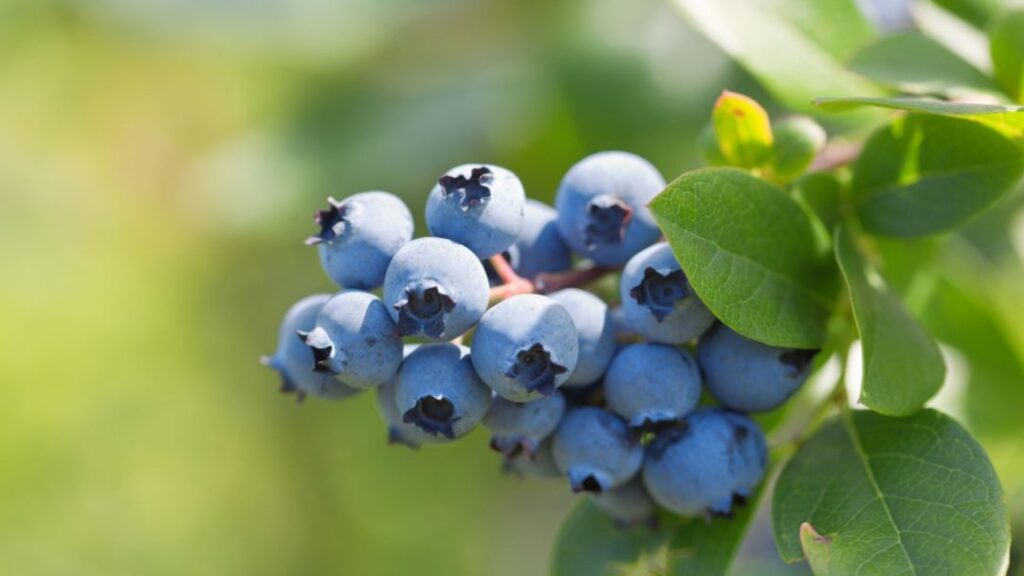
Blueberries thrive when their growing conditions are just right. They prefer acidic soil with a pH between 4.5 and 5.5 and need at least six hours of full sun each day. Consistent moisture is crucial, but avoid soggy soil. Regular pruning and cross-pollination between varieties help maximize fruit size and yield.
Step 1: Choose the Best Variety
Selecting the right variety sets the stage for success. Highbush types like Bluecrop and Duke thrive in temperate climates and produce large berries.
Rabbiteye varieties such as Tifblue and Premier grow well in warmer regions, while Lowbush blueberries perform best in colder areas. Plant at least two varieties to encourage pollination and increase productivity.
Step 2: Prepare the Soil Properly

Blueberries love acidic, well-draining soil. Test your soil’s pH and, if necessary, lower it with sulfur or organic matter like pine needles. Mix in peat moss or compost to boost drainage and nutrition. For heavy clay or alkaline soils, use raised beds or large containers to maintain ideal growing conditions.
Step 3: Plant with Care
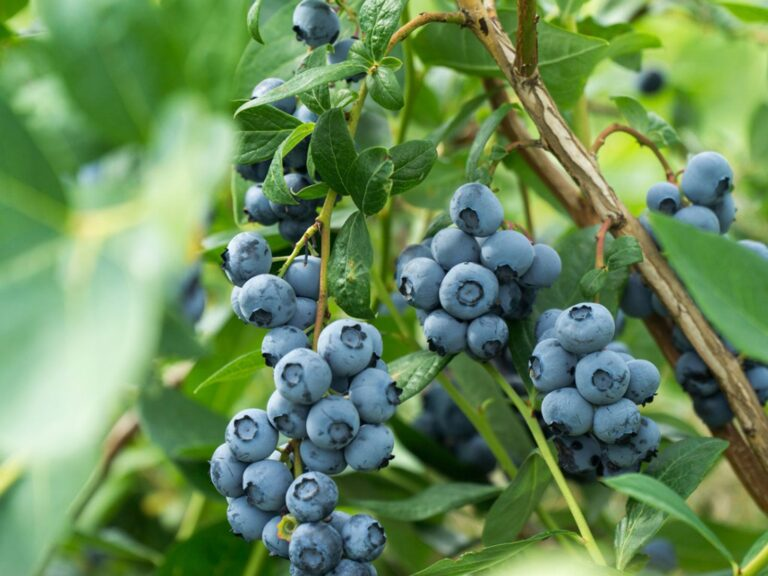
Space blueberry bushes about four to five feet apart for airflow and root expansion. Plant them slightly deeper than they were in their nursery pots, ensuring roots are covered but crowns stay above soil level. Water well after planting to eliminate air pockets and reduce transplant shock for a healthy start.
Step 4: Mulch for Moisture and Health
Mulching helps blueberries thrive. Apply a two- to four-inch layer of pine needles, bark, or wood chips around each plant, leaving space around the stem. Mulch locks in moisture, prevents weeds, regulates soil temperature, and slowly enriches the soil—all crucial for big, flavorful berries.
Step 5: Feed for Growth

Blueberries need nutrients to support heavy fruit loads. Use an acid-loving plant fertilizer after planting, focusing on nitrogen early and a balanced formula during flowering.
Organic options like compost or seaweed extract promote long-term soil health. Fertilize two or three times a year for consistent, vigorous growth.
Step 6: Water for Bigger Berries
Blueberries require steady moisture, especially during blooming and fruiting. Water deeply once or twice a week, keeping the soil evenly moist but not waterlogged.
A drip irrigation system or soaker hose works best, providing hydration directly to the roots while keeping foliage dry and disease-free.
Step 7: Prune for Productivity
Pruning keeps bushes healthy and productive. During the first two years, remove weak or crossing branches to shape strong growth.
Once mature, trim out one-third of the oldest canes annually to encourage new shoots. An open, vase-like shape improves sunlight exposure, airflow, and overall fruit quality.
Step 8: Encourage Pollination
Blueberries produce best when pollinators are active. Plant multiple varieties close together, and attract bees by growing flowers nearby. Even though many varieties self-pollinate, cross-pollination increases both berry size and yield. In smaller gardens, hand-pollinating flowers can further boost production.
Step 9: Harvest at the Right Time
Harvest when berries are fully blue with no green or red tint. Pick every few days during peak season using gentle rolling motions to avoid bruising. Frequent picking keeps plants productive and prevents overripening, ensuring you enjoy the freshest, sweetest berries possible.
Tips for a 100-Pound Harvest
To reach 100 pounds, grow six to eight mature bushes with full sun exposure. Prune annually, water consistently, and fertilize regularly. Drip irrigation, acidic mulch, and cross-pollination will help you achieve commercial-level yields right in your backyard.
Enjoy the Fruits of Your Labor
Homegrown blueberries aren’t just healthy—they’re incredibly versatile. Enjoy them fresh, blend them into smoothies, bake them into muffins, or freeze them for later.
With the right care and patience, your backyard can become a blueberry paradise, delivering up to 100 pounds of sweet, nutritious fruit year after year.
FAQs
What is the best soil for growing blueberries?
Blueberries thrive in acidic, well-draining soil with a pH between 4.5 and 5.5. Adding organic matter like peat moss or pine needles helps maintain acidity and improve drainage. If your native soil is too alkaline, consider using raised beds or large containers filled with an acidic soil mix.
How much sunlight do blueberry bushes need?
Blueberries need at least 6 to 8 hours of full sunlight each day. Adequate sunlight ensures better flowering, stronger growth, and sweeter berries. If possible, choose a location that receives morning sun and afternoon shade to protect plants from extreme heat.
How often should I water blueberry plants?
Water blueberry bushes deeply one to two times per week, keeping the soil consistently moist but not soggy. Drip irrigation or soaker hoses work best for even moisture and to prevent water from sitting on the foliage, which can cause disease.
When should blueberry bushes be pruned?
Prune blueberry bushes in late winter or early spring before new growth starts. Remove weak, damaged, or crossing branches, and trim one-third of the oldest wood each year to promote new growth and higher fruit production.
Do I need more than one blueberry variety for pollination?
While many blueberry plants are self-pollinating, planting at least two different but compatible varieties improves cross-pollination. This leads to larger, sweeter berries and higher overall yields, especially when pollinators like bees are active in your garden.
How many blueberry bushes do I need to grow 100 pounds?
You can produce around 100 pounds of blueberries with six to eight mature, well-maintained bushes. Ensure they receive full sun, acidic soil, proper fertilization, and regular pruning to maximize fruit yield year after year.
What’s the best fertilizer for blueberry plants?
Use a fertilizer formulated for acid-loving plants, such as those designed for azaleas or rhododendrons. Apply it two or three times per year—once in early spring and again after flowering. Organic options like compost or seaweed extract also help maintain long-term soil health.
When is the best time to harvest blueberries?
Harvest blueberries when they are fully blue with no green or red patches. Wait a few days after they first turn blue for maximum sweetness. Pick gently every few days during peak season to encourage continuous fruiting.