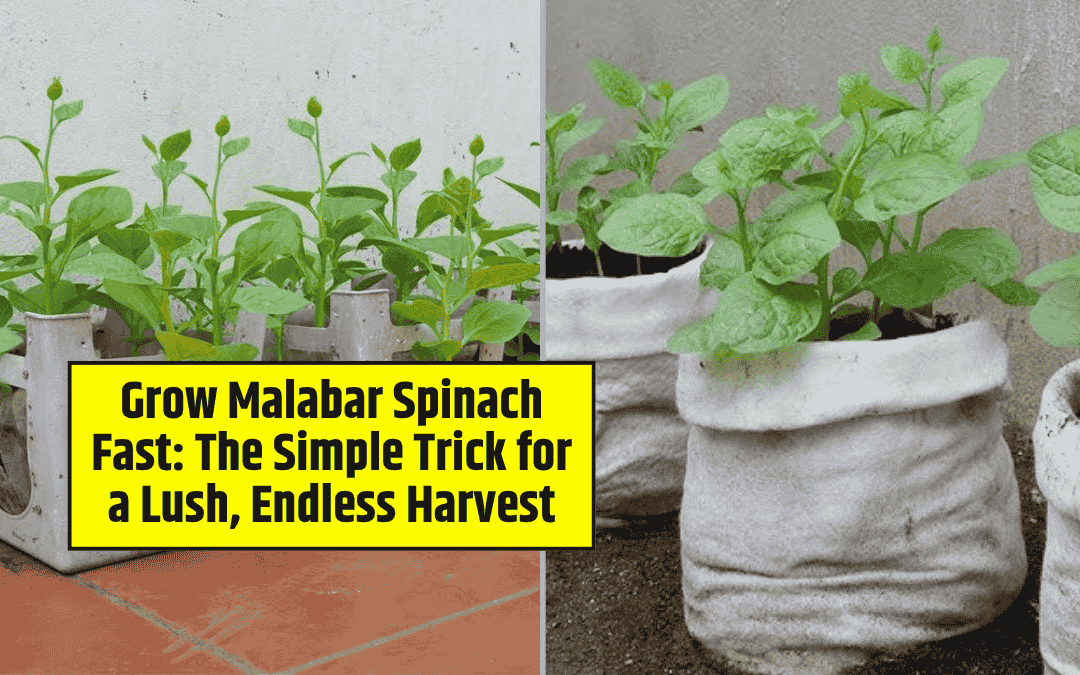
Malabar spinach (Basella alba) isn’t your average leafy green. This tropical vine thrives in warm climates and loves the summer heat that wilts traditional spinach.
With its glossy, succulent leaves and vertical growth habit, it’s a perfect choice for small gardens, patios, or balconies. Best of all, it’s hardy, productive, and surprisingly easy to grow.
A Nutrient-Packed Powerhouse

Beyond its resilience, Malabar spinach is loaded with nutrition. Each serving provides a strong dose of vitamins A and C, along with iron, calcium, and antioxidants that support immune health and bone strength.
The leaves have a mild flavor, similar to spinach, but with a slightly crisp texture that holds up well in stir-fries, soups, and salads.
Understanding How It Grows
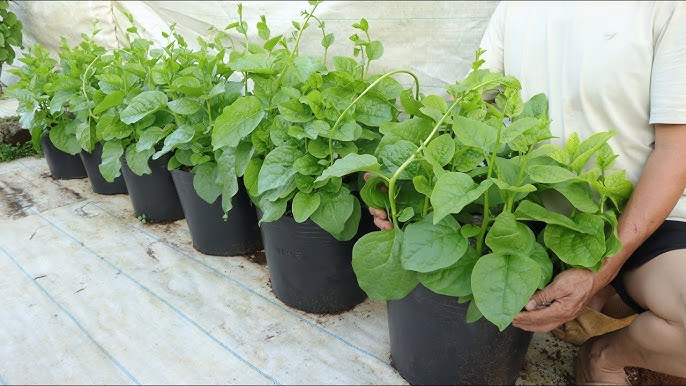
To get the most from your Malabar spinach, it helps to understand its natural growth habits. It’s a climbing vine that flourishes with plenty of sunlight and moisture.
In fertile, well-draining soil, it sends out new leaves rapidly, allowing frequent harvests. Given the right support structure and consistent care, it can easily grow several feet tall.
The One Secret to Faster Growth

The fastest way to boost Malabar spinach growth is simple—train it to grow vertically. Providing a trellis or support system encourages stronger stems, better airflow, and more abundant foliage.
When allowed to sprawl on the ground, the plant becomes tangled and less productive. Guiding it upward maximizes both space and sunlight exposure, leading to faster, healthier growth.
Step 1: Pick the Perfect Spot
Choose a sunny location that gets at least six to eight hours of light daily. Malabar spinach loves warmth, so a south-facing wall or garden bed works well. Make sure the area is easy to reach for watering and harvesting. Since the plant grows upward, it’s perfect for compact gardens or urban spaces with limited ground area.
Step 2: Prepare the Soil

Rich, fertile soil makes all the difference. Mix garden soil with compost or well-rotted manure to provide nutrients and good drainage. Aim for a slightly acidic to neutral pH between 6.0 and 7.0. Add mulch around the base to retain moisture and keep the soil cool. Healthy roots mean stronger, faster-growing vines.
Step 3: Plant from Seeds or Cuttings
You can start Malabar spinach from either seeds or cuttings. Soak seeds overnight before planting them about an inch deep and a foot apart. If using cuttings, select healthy 6–8 inch stems, remove lower leaves, and plant directly in moist soil. Gentle watering after planting helps settle the roots and promotes quick establishment.
Step 4: Water and Feed Consistently
Malabar spinach grows best in consistently moist soil. Deep watering once or twice weekly is better than light, frequent watering. Every three to four weeks, feed with compost tea, organic fertilizer, or diluted fish emulsion to maintain lush leaf growth. Occasional seaweed extract provides a natural boost for strong stems and vibrant foliage.
Step 5: Train and Prune Regularly

As your plant grows, guide the vines up the trellis using soft ties or twine. Prune dense sections to improve air circulation and encourage new growth. Regular harvesting—snipping leaves or stems above a leaf node—stimulates more shoots and keeps the plant thriving. The more you harvest, the faster it regenerates.
Step 6: Harvest Smart and Often
Pick young, tender leaves every one to two weeks for the best flavor. Older leaves can be tougher but still work well in cooked dishes. Regular harvesting not only provides a steady supply of greens but also keeps the plant producing vigorously all season long.
Bonus Tips for Maximum Yield
Plant new seeds or cuttings every few weeks for a continuous harvest. Keep an eye out for aphids or caterpillars and remove them promptly. Avoid over-fertilizing, which can lead to weak stems. Always keep vines off the ground to prevent disease and encourage airflow. With minimal effort, you’ll enjoy a long-lasting, healthy crop.
Delicious Ways to Use Malabar Spinach
This versatile green shines in the kitchen. Sauté it with garlic and olive oil, toss it into soups and curries for added texture, or blend it into smoothies for an extra nutrient punch. Young leaves make crisp, refreshing additions to salads, while mature ones hold up beautifully in cooked dishes.
A Simple Step to Success
Growing Malabar spinach fast doesn’t require fancy techniques—just vertical support, fertile soil, and consistent care. By training your vines upward and harvesting regularly, you’ll transform a small garden space into a vibrant wall of edible greenery.
Even beginners can enjoy an abundant, homegrown supply of this tropical supergreen all summer long.
FAQs
What makes Malabar spinach different from regular spinach?
Unlike regular spinach, Malabar spinach thrives in hot weather. It’s a tropical vine that grows vertically, producing thick, glossy leaves perfect for small gardens or balconies.
How can I make Malabar spinach grow faster?
The best way to boost growth is by providing vertical support. Train the vines to climb a trellis or pole for better airflow, stronger stems, and faster leaf production.
How often should I water Malabar spinach?
Keep the soil consistently moist but not waterlogged. Deep watering once or twice per week encourages strong roots and steady growth.
When is the best time to harvest Malabar spinach?
Harvest young, tender leaves every one to two weeks for the best flavor. Frequent picking keeps the plant producing new leaves all season long.
Can I grow Malabar spinach indoors?
Yes. With enough sunlight or a grow light, Malabar spinach can thrive in containers indoors. Just ensure it has a trellis or support to climb.