Fresh herbs bring life, aroma, and nutrition to your meals. Yet, store-bought herbs can be costly and spoil quickly. The good news? You don’t need a garden to grow them. With a little space, light, and care, your kitchen counter can provide a year-round supply of flavorful, fragrant herbs within arm’s reach.
Why Grow Herbs Indoors?
Growing herbs indoors offers countless benefits. You’ll always have fresh ingredients available, save money on herbs that often wilt in days, and enjoy the health perks of nutrient-packed greens.
Plus, herbs add a natural beauty to your kitchen while purifying the air. Indoors, they’re also less likely to suffer from pests or weather-related issues.
What You’ll Need to Start
Setting up an indoor herb garden requires only a few essentials. Choose small pots with drainage holes, fill them with quality potting soil, and plant herb seeds or seedlings. A sunny windowsill is ideal, but grow lights work too. Add a watering can or spray bottle, and you’re ready to turn your counter into a thriving garden.
1. Basil: The Flavor Powerhouse

Basil is perfect for pasta, salads, and sauces. It loves warmth and sunlight—about six to eight hours a day. Keep soil moist but not soggy, and pinch leaves regularly to encourage bushy growth. Sweet, Thai, or lemon basil varieties all grow beautifully indoors and add that unmistakable, fresh Italian flavor.
2. Mint: Refreshing and Resilient

Mint adds a cool touch to teas, desserts, and cocktails. It thrives in indirect sunlight and slightly damp soil. Because mint spreads quickly, plant it separately from other herbs. Regular trimming keeps it healthy and full. Peppermint, spearmint, or chocolate mint all flourish indoors with minimal effort—perfect for beginners.
3. Parsley: A Versatile Classic

Parsley is a culinary staple, ideal for garnishes, salads, and soups. It needs four to six hours of daily sunlight and consistently moist soil. Cut outer leaves first so new growth continues from the center. Curly and flat-leaf parsley varieties are both easy to grow and add a bright, fresh look to your kitchen.
4. Chives: The Easy Onion Substitute

Chives bring mild, onion-like flavor to omelets, soups, and baked dishes. They thrive in six hours of sunlight and prefer lightly moist, well-drained soil. Snip leaves near the base to encourage regrowth. Hardy and low-maintenance, chives are among the easiest herbs to grow indoors all year long.
5. Cilantro: Fresh and Flavorful

Cilantro shines in salsas, curries, and salads. It prefers cooler temperatures and indirect light. Keep soil consistently moist, and harvest leaves often to delay flowering. Because cilantro grows quickly, sow new seeds every few weeks for a continuous supply of fresh, zesty flavor right on your counter.
6. Oregano: Mediterranean Magic

Oregano brings bold, earthy notes to Italian and Mediterranean dishes. It loves sunlight—six to eight hours daily—and slightly dry soil between waterings. Trim leaves regularly for bushier growth. Greek and Italian oregano varieties both thrive indoors, offering a steady stream of savory, aromatic leaves for cooking.
7. Thyme: Fragrant and Hardy
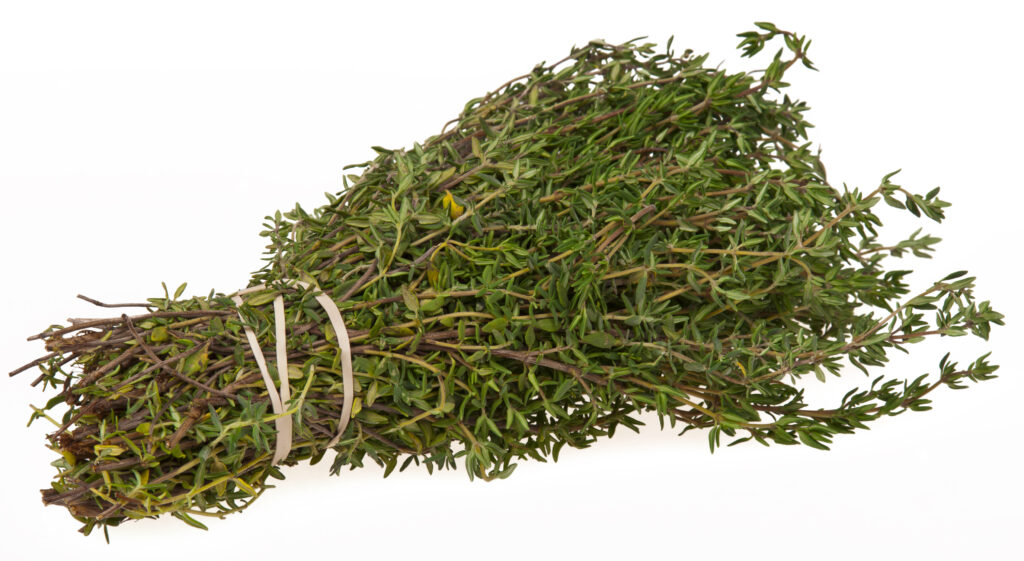
Thyme enhances roasted meats, soups, and stews with its rich aroma. It prefers bright sunlight and drier soil conditions. Water sparingly and harvest sprigs as needed by cutting near the base. Common and lemon thyme varieties grow slowly but reward you with steady, flavorful harvests throughout the year.
8. Rosemary: Woody and Wonderful

Rosemary’s piney fragrance complements roasted meats, potatoes, and bread. It needs six to eight hours of sunlight and well-drained soil. Let the soil dry before watering again to prevent root rot. Trim stems often, but avoid cutting more than one-third of the plant. Upright and creeping rosemary varieties thrive indoors beautifully.
9. Sage: Savory and Aromatic

Sage’s bold flavor enhances poultry, stuffings, and sauces. It enjoys six to eight hours of sunlight daily and prefers dry, well-drained soil. Harvest outer leaves first, leaving the center intact. Common and purple sage varieties both perform well indoors, offering color and fragrance in addition to culinary delight.
10. Lemon Balm: Bright and Uplifting

Lemon balm’s gentle citrus flavor makes it a favorite for teas and desserts. It thrives in indirect sunlight and moist, well-drained soil. Trim it often to encourage full growth and prevent it from spreading too much. Its refreshing scent brightens your kitchen while adding a soothing touch to your meals.
Tips for Thriving Indoor Herbs
Use pots with drainage holes to prevent soggy roots. Most herbs need four to eight hours of light daily—supplement with grow lights if needed. Water lightly but consistently, prune regularly, and feed with organic fertilizer every few weeks. Rotate pots occasionally for even sunlight exposure and balanced growth.
A Rewarding, Flavorful Hobby
Growing herbs indoors is simple, cost-effective, and rewarding. With minimal effort, your kitchen can become a living garden filled with color, fragrance, and fresh flavor. From basil to lemon balm, these ten herbs elevate your cooking, enhance wellness, and bring a touch of nature into your home—one leaf at a time.
FAQs
What are the easiest herbs to grow indoors?
Some of the easiest herbs to grow indoors include basil, mint, chives, and parsley. They thrive with moderate sunlight, regular watering, and minimal care, making them perfect for beginners.
How much sunlight do indoor herbs need?
Most indoor herbs need 4–8 hours of sunlight daily. Place them near a sunny window or use grow lights to ensure steady growth and rich flavor.
How often should I water indoor herbs?
Water herbs when the top inch of soil feels dry. Avoid overwatering—most herbs prefer soil that is slightly moist but never soggy.
Can I grow herbs indoors year-round?
Yes! With the right light and temperature, herbs can grow indoors all year long. Rotate pots for even light exposure and prune regularly to keep plants healthy.
Do I need fertilizer for indoor herbs?
Light feeding every 4–6 weeks with an organic liquid fertilizer keeps herbs strong and productive without overloading them with nutrients.