When planning a wide, open lawn or garden in places like Dallas, Denver, or Charlotte, you don’t always need massive oaks or maples to create visual drama.
Smaller specimen or accent trees—those growing between 15 and 30 feet tall—can add structure, texture, and seasonal color while keeping your landscape balanced and welcoming.
Placed thoughtfully, these trees can make a space look established from day one. They frame views, define garden rooms, and pair beautifully with shrubs and perennials to give depth and dimension.
The Power of Small Trees
While large trees dominate skylines, small trees often do the heavy lifting in everyday landscapes. They:
- Create vertical interest without blocking sunlight
- Mature quickly for near-instant presence
- Require less pruning and maintenance
- Provide flowers, fruit, and fall color throughout the year
With strategic placement—such as grouping two or three in an asymmetrical cluster—you can achieve the sense of a mature park or woodland edge even on suburban lots.
Top Small Trees for Big Visual Appeal
1. Eastern Redbud
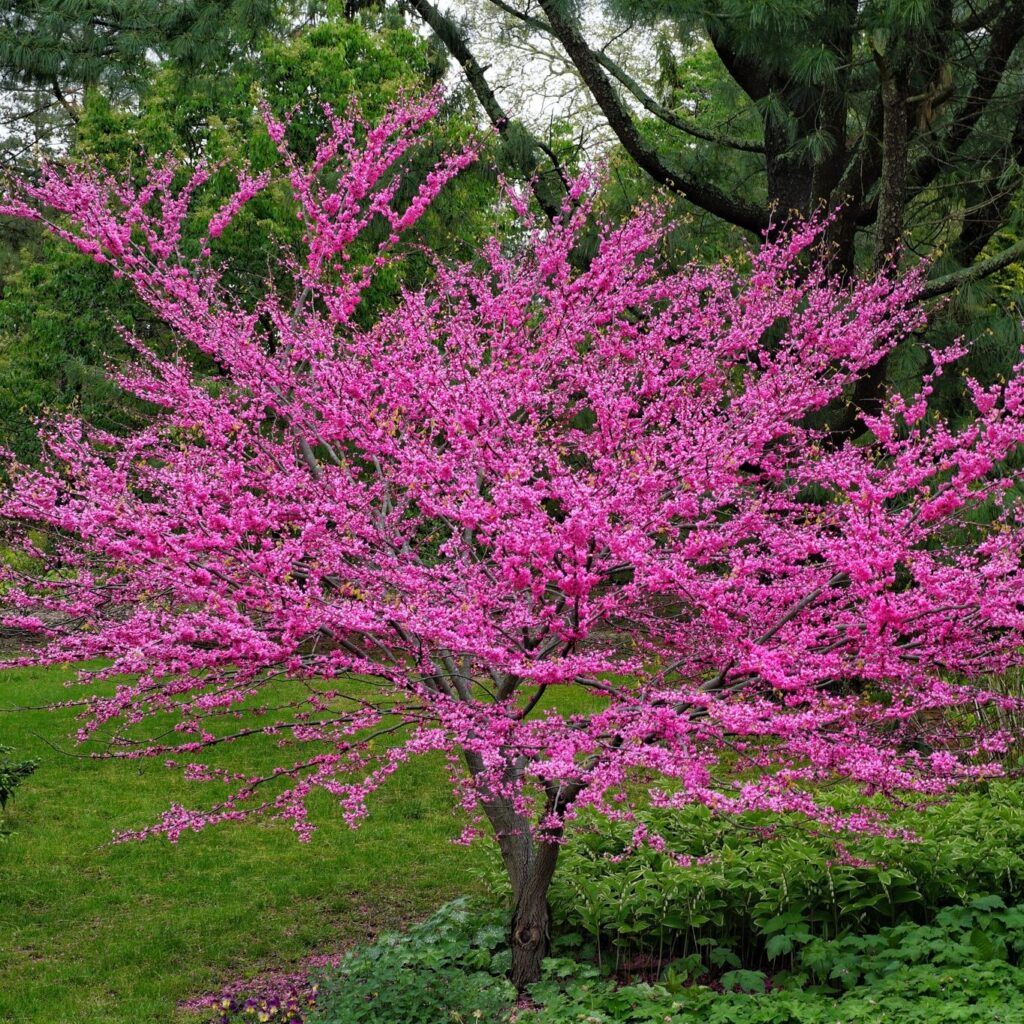
Native to the eastern U.S., the redbud shines in early spring with brilliant magenta-pink flowers before its heart-shaped leaves emerge. Growing 15–25 feet tall, it’s perfect for front yards or as a mid-yard focal point in Zones 5–8.
2. Crape Myrtle
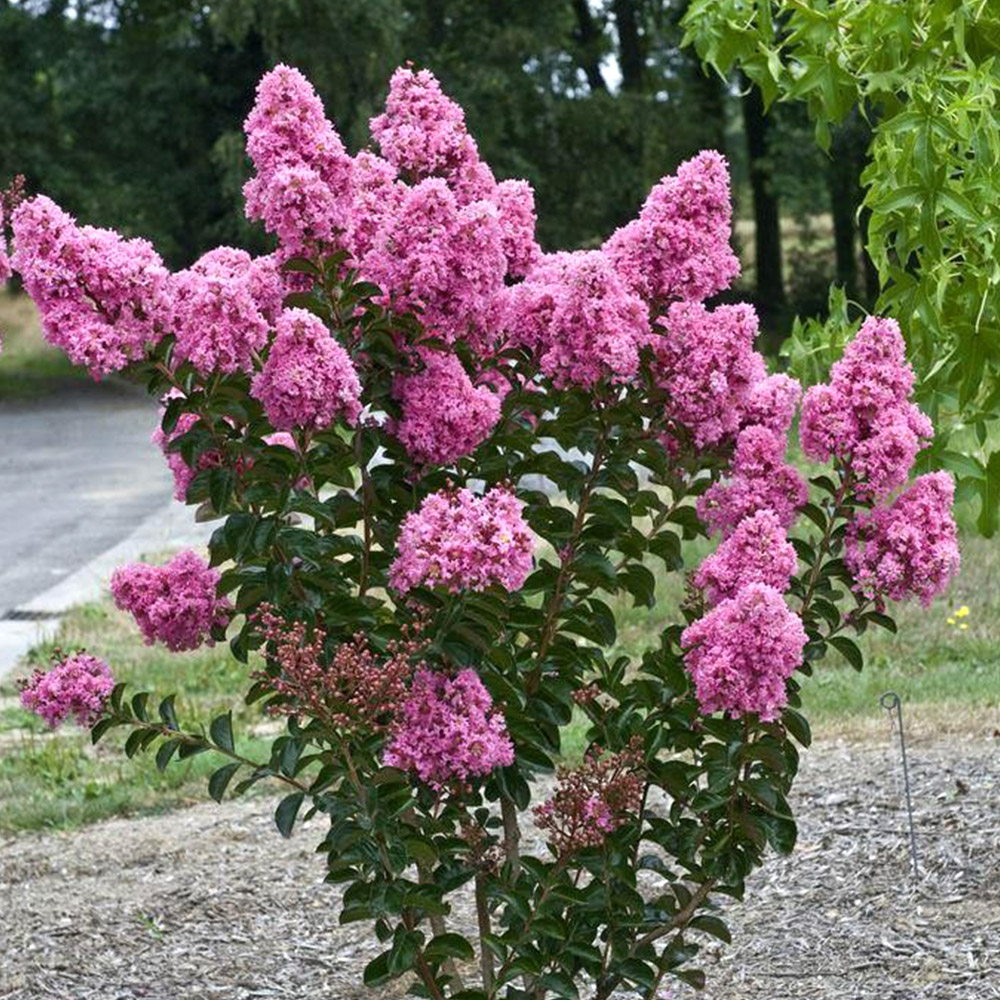
A Southern favorite, crape myrtle blooms in vivid shades of pink, red, white, and purple through summer. Compact cultivars under 20 feet thrive in heat and sun from Houston to Jacksonville and deliver colorful fall foliage.
3. Flowering Dogwood
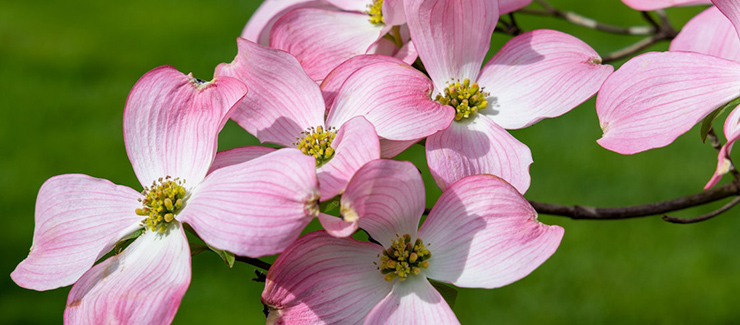
A beloved classic from Raleigh to Kansas City, dogwood offers spring blooms, summer shade, and red berries that attract birds. Its layered branches and moderate size make it ideal for mixed plantings.
4. Japanese Maple
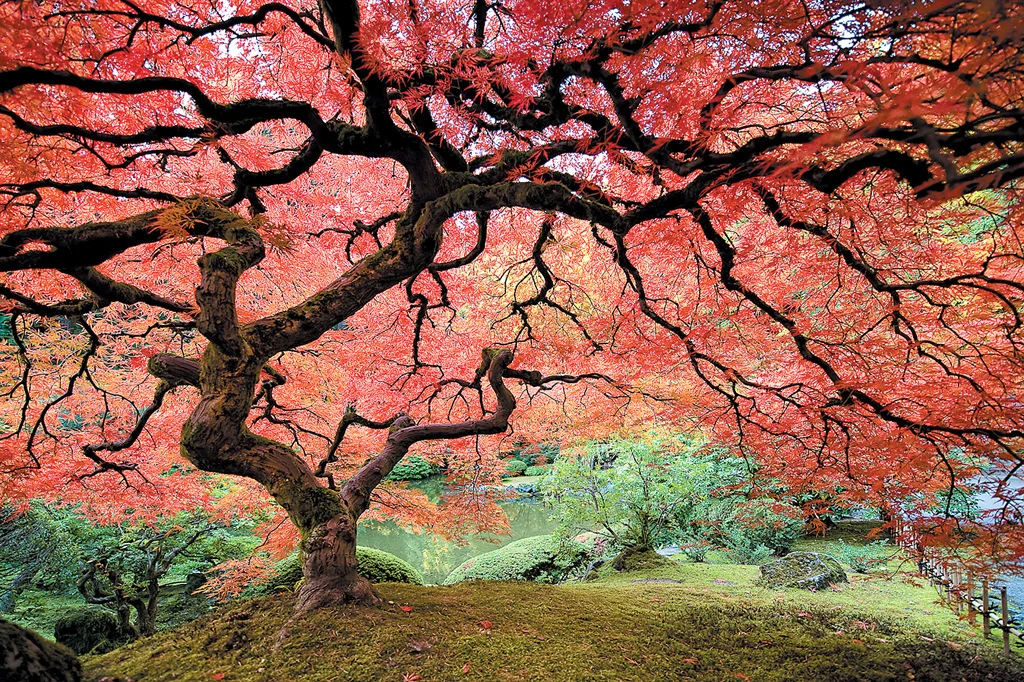
Known for its sculptural form and striking foliage, Japanese maple grows 12–25 feet tall. It’s a stunning accent beneath taller trees or beside patios in gardens from Seattle to Boston.
5. Serviceberry
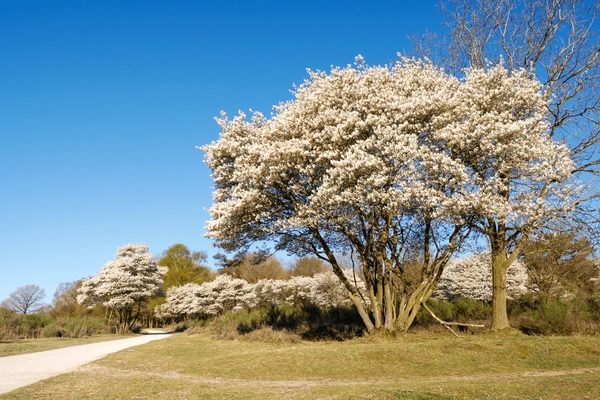
Native to eastern and midwestern regions, serviceberry dazzles with white spring blossoms, edible berries, and glowing orange-red fall color. Often multi-trunked, it adds elegance to both naturalistic and formal landscapes.
6. Little Gem Magnolia
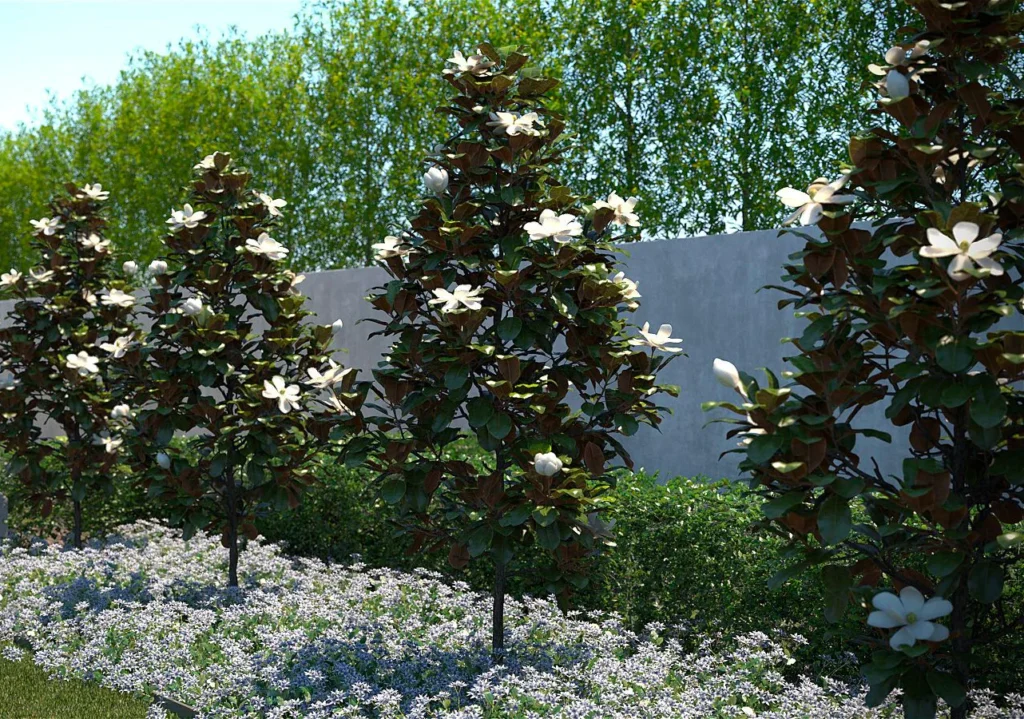
This compact magnolia keeps glossy evergreen leaves year-round and features large, fragrant white blooms. Growing 20–25 feet tall, it’s ideal for warm climates like Charleston or Tampa.
7. Chalk Maple
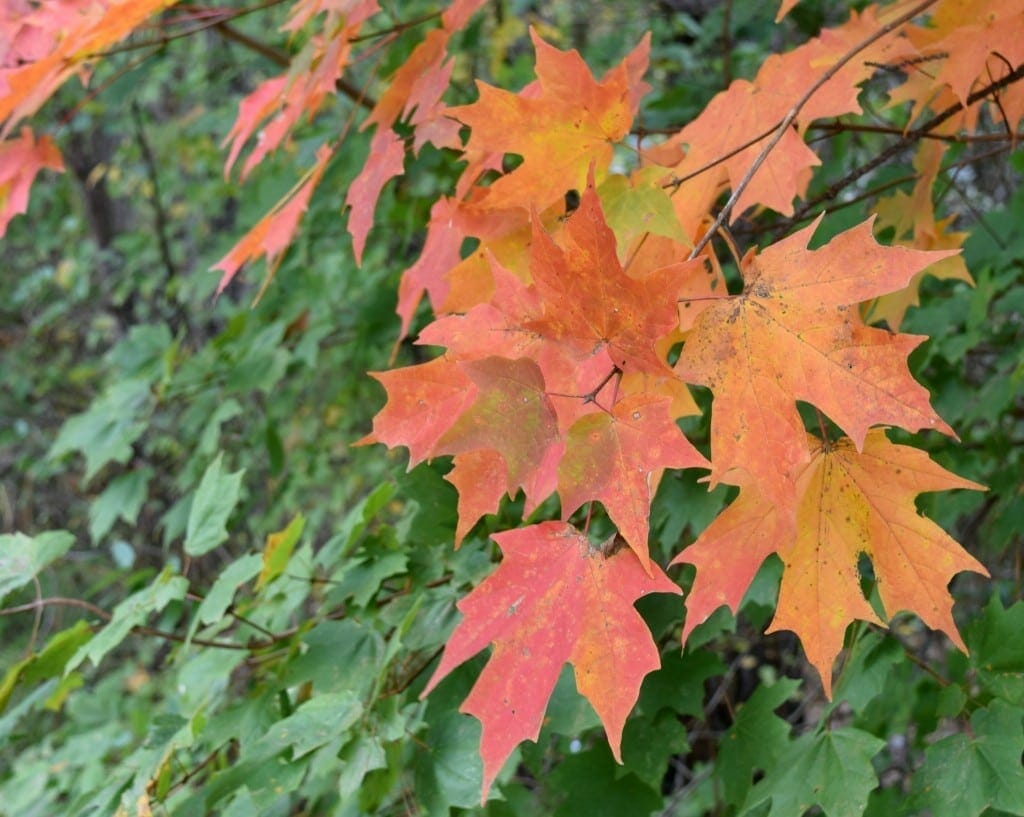
A southeastern native with smooth, pale bark and brilliant fall foliage, chalk maple grows about 25–30 feet tall. It’s a refined alternative to larger maples in Georgia, Alabama, or the Carolinas.
8. Possumhaw
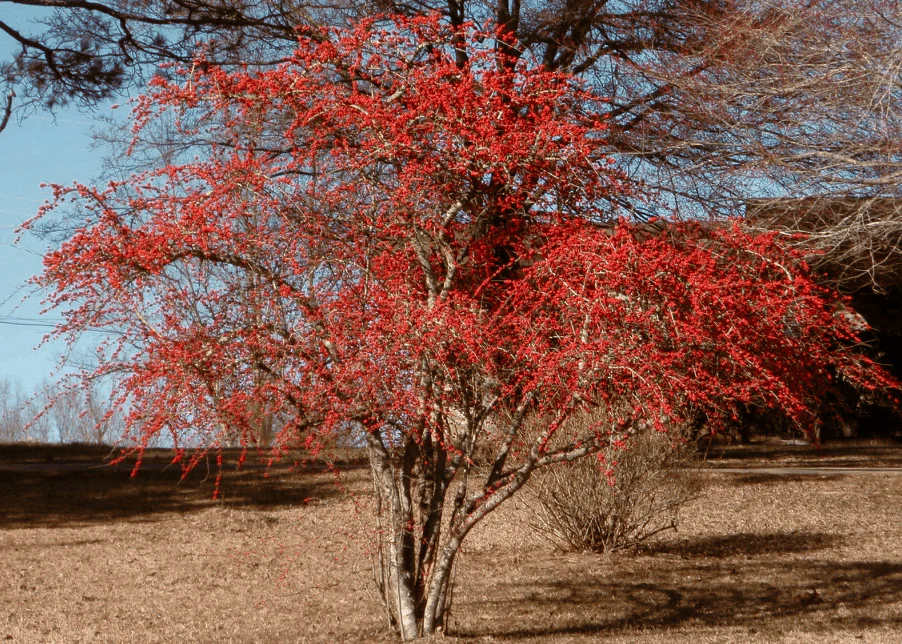
This deciduous holly brings winter cheer with red or orange berries that attract birds. At 10–15 feet tall, it’s perfect for wetter soils and works beautifully in naturalized settings from Maryland to Louisiana.
9. Dwarf Fruit Trees
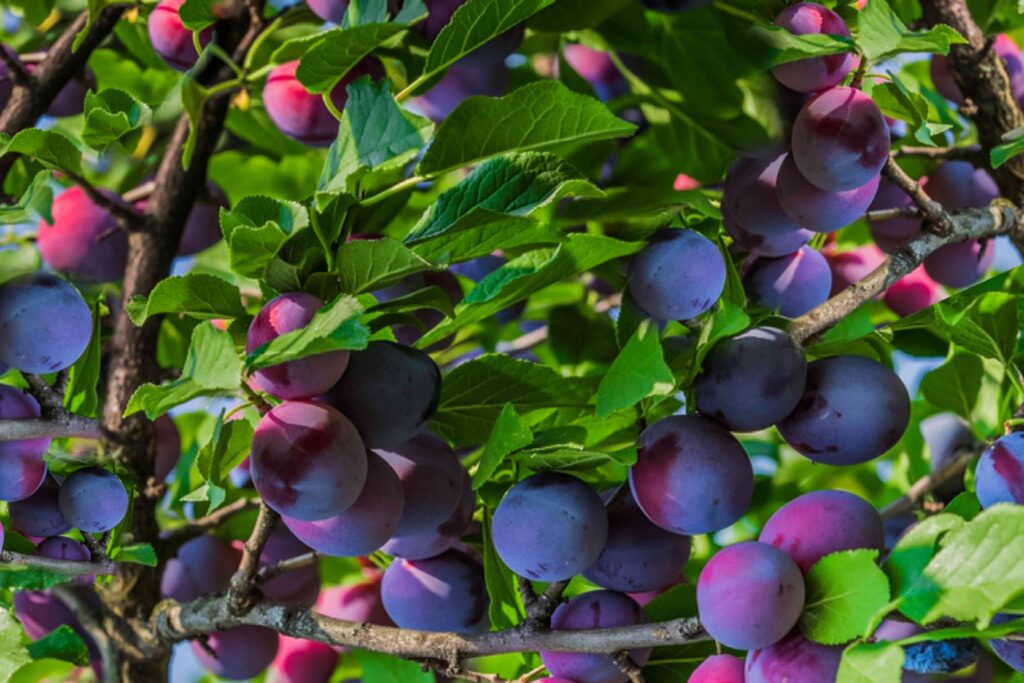
Compact fruiting varieties stay under 15 feet and deliver beauty and bounty—spring blossoms, summer fruit, and sculptural winter form. Great for urban gardens from Sacramento to Denver.
10. Washington Hawthorn
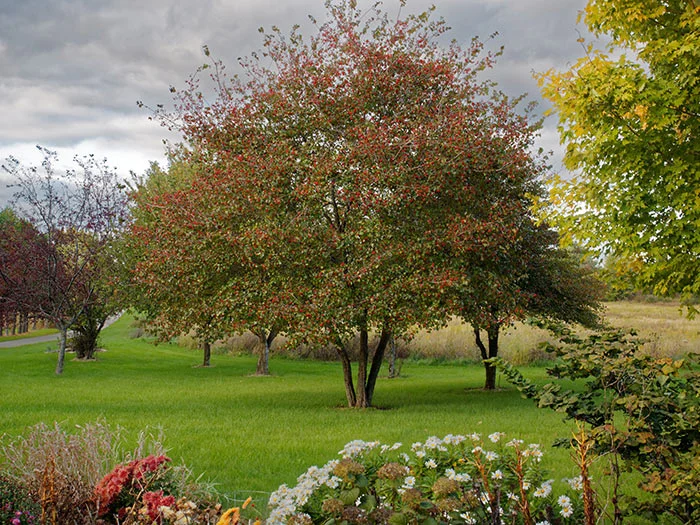
This hardy tree grows to 20–25 feet and produces white flowers in spring, red fruit in fall, and orange foliage later in the year. Its dense, thorny branches offer texture and wildlife habitat.
11. Star Magnolia
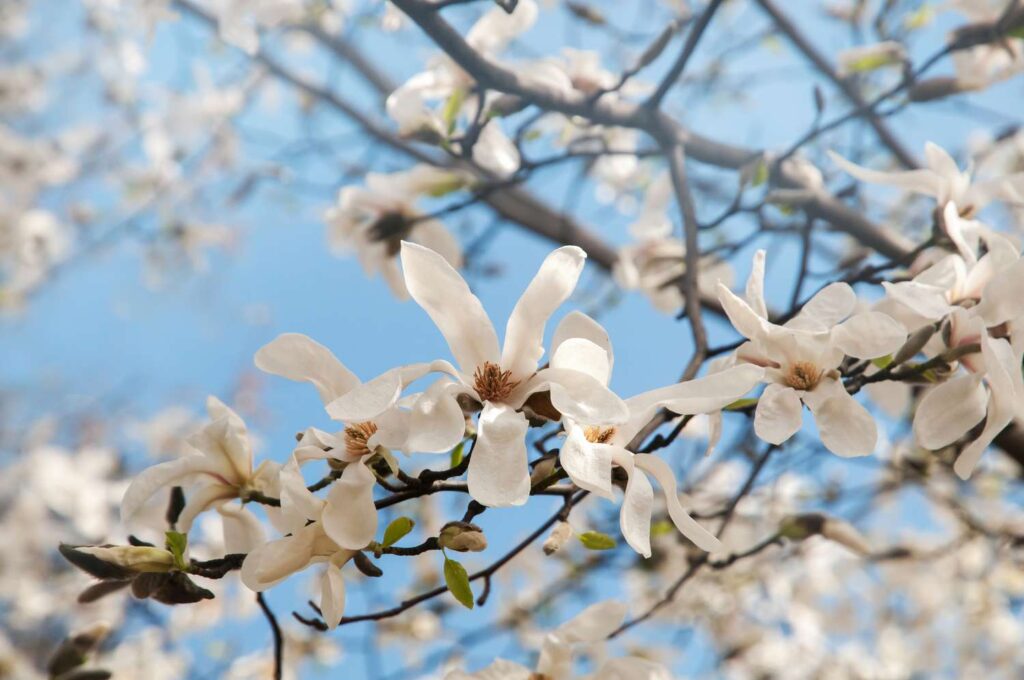
A favorite for early spring blooms, star magnolia reaches 15–20 feet and fills front gardens with pink, white, or lavender flowers before most plants leaf out.
12. Desert Willow
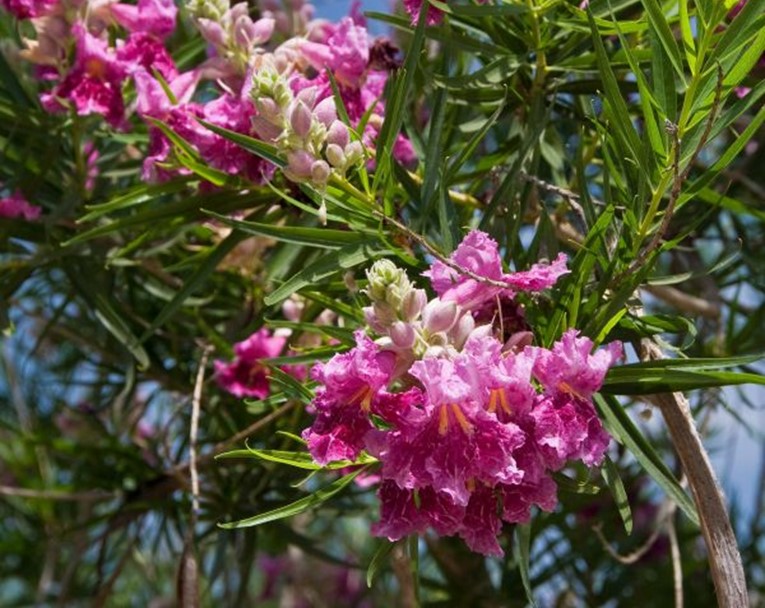
Native to the Southwest, this drought-tolerant beauty grows 15–25 feet and bears trumpet-shaped pink or purple blooms all summer. Its airy form suits Phoenix, Las Cruces, or Las Vegas landscapes.
Design Tips for a “Grand Landscape” Effect
- Group and space wisely. Cluster two or three trees together, leaving 30–50 feet between groups to balance fullness and openness.
- Layer plantings. Pair trees with shrubs, ferns, or ornamental grasses to mimic natural woodland layers.
- Mind proportions. Multiple smaller trees can visually “stretch” the yard’s scale.
- Match species to climate. In cold zones, choose hardy redbuds or serviceberries; in hot regions, go for desert willow or crape myrtle.
- Prune early. Light pruning in the first few years ensures strong structure and graceful form.
A Small Investment for a Big Impression
Small trees are proof that elegance doesn’t require towering height. Whether you live in Charlotte, Phoenix, or Minneapolis, these species can transform your property with color, structure, and year-round beauty.
By planting thoughtfully and caring attentively, you can create a landscape that feels timeless and expansive—no giant oaks required.
FAQs
What are the best small trees for large landscapes?
Some of the best small trees for large landscapes include Eastern Redbud, Crape Myrtle, Japanese Maple, Serviceberry, Little Gem Magnolia, and Desert Willow. These trees typically grow between 15 and 30 feet tall, offering color, structure, and seasonal beauty without overwhelming the space.
How far apart should small trees be planted?
For a balanced and natural look, plant small trees about 30 to 50 feet apart. This spacing gives each tree room to grow while maintaining an open, layered appearance. Grouping two or three trees together can also create the impression of a mature, large-scale landscape.
Which small trees are best for hot climates?
In warm or dry regions such as Texas, Arizona, or southern California, choose heat-tolerant species like Crape Myrtle, Desert Willow, or Little Gem Magnolia. These varieties handle high temperatures and limited rainfall while still providing lush blooms and attractive foliage.
What small trees grow well in cold climates?
For northern or high-altitude areas like Denver, Minneapolis, or upstate New York, cold-hardy trees such as Serviceberry, Eastern Redbud, or dwarf fruit trees (like Crabapple or Cherry) perform well. They tolerate frost and add seasonal interest from spring blooms to fall color.
How do I make my landscape look larger using small trees?
To make your yard feel more spacious, layer small trees with shrubs and groundcovers to create depth. Use asymmetrical groupings and staggered planting distances to lead the eye across the space. Repeating a few key species throughout the design also creates unity and a sense of scale.
Do small trees require less maintenance than large trees?
Yes, small trees generally require less maintenance than large shade trees. They establish faster, need minimal structural pruning, and are easier to water and fertilize. However, regular early pruning and proper spacing help them develop strong forms that enhance your landscape for years.